
Some Cries Are Loud.
Others Disappear Into the Crowd.
Every street holds stories most people never stop
long enough to hear.
A young man carrying the weight of being judged before he's known.
A young woman fighting to be seen beyond race and gender.
Parents working, protecting and sacrificing while keeping their fears to themselves.
Children learning far too early that the world doesn't always treat everyone the same.
Cries of the Forgotten turns toward those lives.
Not to speak over them.
To make room for them to be heard.
Enter Cries of the Forgotten.
First You Hear the Music.
Then You Hear the People Inside It.
Streaming can be the first encounter with Cries of the Forgotten—one song, one verse or one story that makes you stop and listen.
But this album was built as a larger journey.
Across 15 tracks, individual struggles begin connecting: broken homes, fractured streets, discrimination, family pressure, bullying, fading memories, heavy burdens and the determination to rise beyond them.
DIZAZTA AREA MUSIC gives listeners another way to continue that journey through a direct digital download of the complete album.
Discover the music wherever it finds you.
Then experience the complete story.
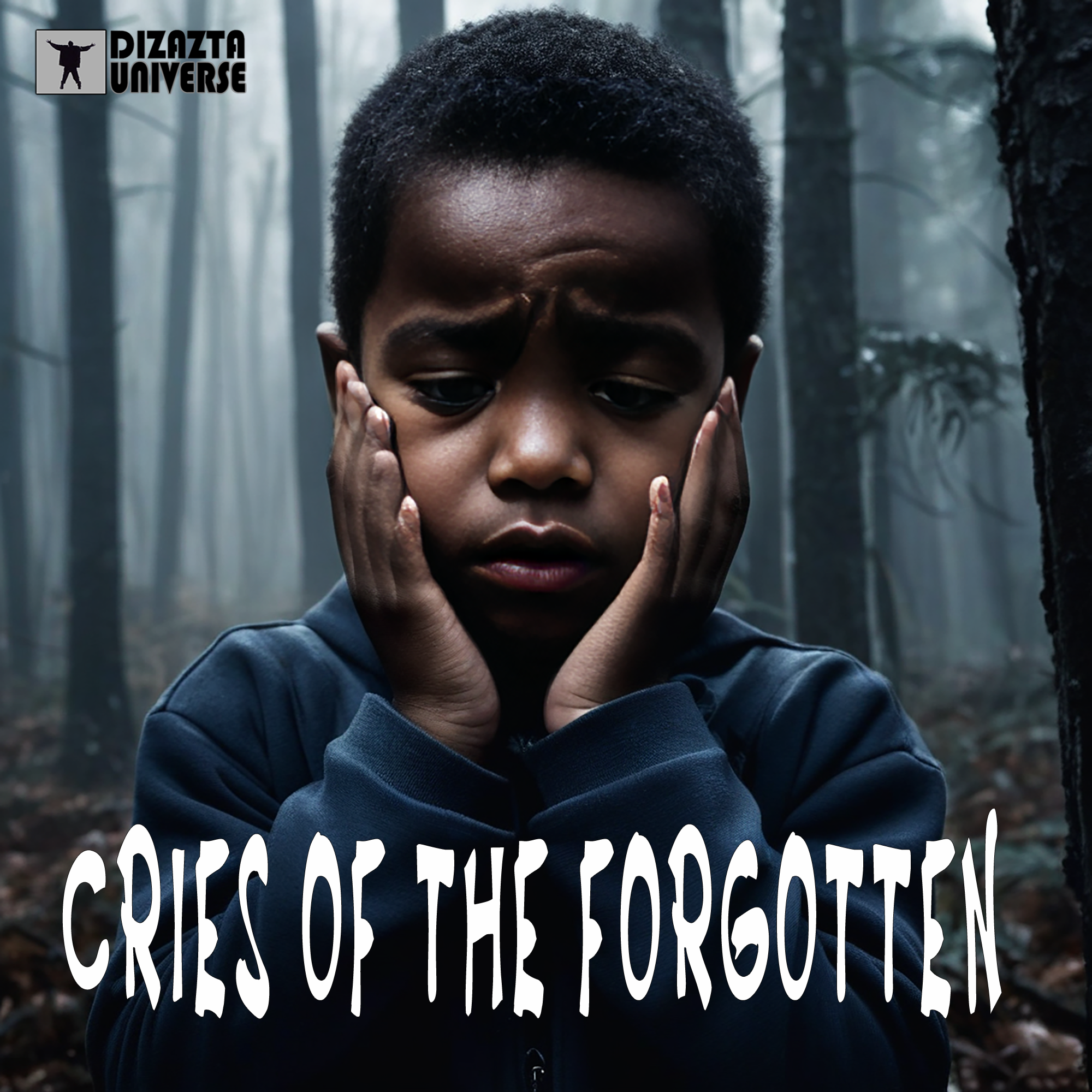
Cries of the Forgotten
When the Unheard Become
Impossible to Ignore
Cries of the Forgotten, written and produced by DIZAZTA for DIZAZTA AREA MUSIC, moves through lives connected not by one identical experience, but by what happens when struggle becomes easy for the outside world to overlook.
We first encounter a young Black man walking through a city that promises equality while forcing him to carry the burden of discrimination. He has dreams, but every step toward them feels like another battle against judgments made before anyone knows his story.
Elsewhere, a young Black woman dreams of breaking free. Race and gender meet in the obstacles surrounding her, yet she continues forward with a courage the world may notice without ever understanding what it cost her to develop it.
Then the lens widens.
A father works two jobs while quietly carrying the fear that his effort still may not be enough to protect his children.
A mother rises every morning and becomes the emotional center of her home, shielding her family while carrying burdens of her own.
And then there are the children.
Young enough to still believe in possibility, but old enough to recognize the prejudice, fear and brokenness surrounding them.
These are the cries at the center of the album.
Not helpless voices.
Human voices.
People dreaming, working, loving, protecting, questioning and surviving while carrying battles others may never see.
But Cries of the Forgotten doesn't leave them isolated.
As the journey progresses, separate lives begin moving toward something larger: community, empathy and repair.
The streets that reflected division become the same streets people must walk together if anything is going to change.
The final message isn't that every wound has healed.
It's that broken bonds can still be repaired.
The forgotten were never without a voice.
The question was whether anyone was willing to listen.
Another Door Into
Cries of the Forgotten
Fifteen tracks create fifteen opportunities to hear lives that can disappear behind statistics, assumptions and everyday noise.
The connected Cries of the Forgotten publication opens another path into that world.
Move beyond the album's surface and explore the stories, imagery, ideas and connected material surrounding its themes of family, discrimination, fractured communities, resilience and repair.
The music gives the forgotten a voice.
The publication gives you another place to listen.
Don't Let the Cries Fade
Back Into the Noise.
Cries of the Forgotten asks us to notice the people we pass, the struggles we don't see and the stories that rarely receive enough room to be told.
Hear the voices.
Follow the stories.
Explore the connected publication.
And carry the complete album beyond the first listen.
Because being forgotten and being invisible are not the same thing.
Sometimes somebody simply has to stop and pay attention.